Finding Steadiness in Life's Uncertainties with Yoga
- English Srader
- 6 days ago
- 5 min read

In a world filled with unpredictability, finding a sense of steadiness can often feel like an uphill battle. Whether it's the pressures of work, personal relationships, or global events, uncertainty can lead to stress and anxiety. However, many individuals have discovered that yoga can serve as a powerful tool to cultivate inner peace and resilience. This blog post explores how yoga can help you navigate life's uncertainties and find a steady ground amidst the chaos.

Understanding the Impact of Uncertainty
Uncertainty is an inherent part of life. It can arise from various sources, including:
Career Changes: Job loss or transitions can create feelings of instability.
Health Issues: Unexpected health challenges can disrupt daily routines and plans.
Personal Relationships: Changes in relationships can lead to emotional turmoil.
Global Events: Economic downturns, pandemics, and political unrest can heighten feelings of insecurity.
These uncertainties can manifest in physical and emotional symptoms, such as anxiety, insomnia, and fatigue. Recognizing the impact of uncertainty is the first step toward addressing it.
The Role of Yoga in Managing Stress
Yoga is more than just a physical practice; it encompasses a holistic approach to well-being. Here are some ways yoga can help manage stress and promote steadiness:
1. Mindfulness and Presence
Yoga encourages mindfulness, which is the practice of being fully present in the moment. This can help reduce anxiety about the future and regrets about the past. By focusing on your breath and body during yoga, you can cultivate a sense of calm and clarity.
2. Physical Release of Tension
The physical postures (asanas) in yoga help release built-up tension in the body. This release can lead to a reduction in stress levels and an increased sense of relaxation. Poses like Child's Pose and Forward Bend are particularly effective for calming the nervous system.
3. Emotional Regulation
Yoga promotes emotional awareness and regulation. Through practices such as breathwork (pranayama) and meditation, individuals can learn to observe their thoughts and feelings without judgment. This can lead to improved emotional resilience and a greater ability to cope with life's challenges.
4. Community and Support
Participating in group yoga classes can foster a sense of community and support. Sharing experiences with others who are navigating similar challenges can provide comfort and encouragement. This connection can be a vital source of strength during uncertain times.
Practical Yoga Techniques for Steadiness
Incorporating yoga into your daily routine doesn't have to be complicated. Here are some practical techniques to help you find steadiness:
1. Daily Breathwork
Start your day with a few minutes of breathwork. Sit comfortably, close your eyes, and take deep, slow breaths. Focus on inhaling for a count of four, holding for four, and exhaling for four. This simple practice can help center your mind and prepare you for the day ahead.
2. Morning Yoga Routine
Consider establishing a morning yoga routine that includes a few key poses:
Mountain Pose (Tadasana): Stand tall, grounding yourself in the present moment.
Warrior II (Virabhadrasana II): This pose builds strength and confidence.
Tree Pose (Vrksasana): Focus on balance and stability.
3. Evening Wind-Down
Incorporate gentle stretches and relaxation techniques into your evening routine. Poses like Legs-Up-the-Wall (Viparita Karani) and Savasana (Corpse Pose) can help release the day's tension and promote restful sleep.
4. Mindful Meditation
Set aside time each week for mindful meditation. Find a quiet space, sit comfortably, and focus on your breath. If your mind wanders, gently bring your attention back to your breath. This practice can enhance your ability to remain calm amidst uncertainty.
The Science Behind Yoga and Stress Relief
Research supports the benefits of yoga for stress relief. Studies have shown that regular yoga practice can lead to:
Reduced Cortisol Levels: Yoga has been linked to lower levels of cortisol, the stress hormone.
Improved Mood: Participants in yoga studies report higher levels of well-being and lower levels of anxiety and depression.
Enhanced Cognitive Function: Yoga can improve focus and cognitive flexibility, helping individuals adapt to changing circumstances.
These findings highlight the effectiveness of yoga as a tool for managing stress and promoting mental health.
Building a Sustainable Yoga Practice
To reap the benefits of yoga, it's essential to build a sustainable practice. Here are some tips to help you stay committed:
1. Set Realistic Goals
Start with achievable goals, such as practicing yoga for 10 minutes a day. Gradually increase the duration and complexity of your practice as you become more comfortable.
2. Find a Style That Resonates
Explore different styles of yoga to find one that suits your preferences. Whether it's Hatha, Vinyasa, or Yin yoga, finding a style you enjoy will make it easier to stick with your practice.
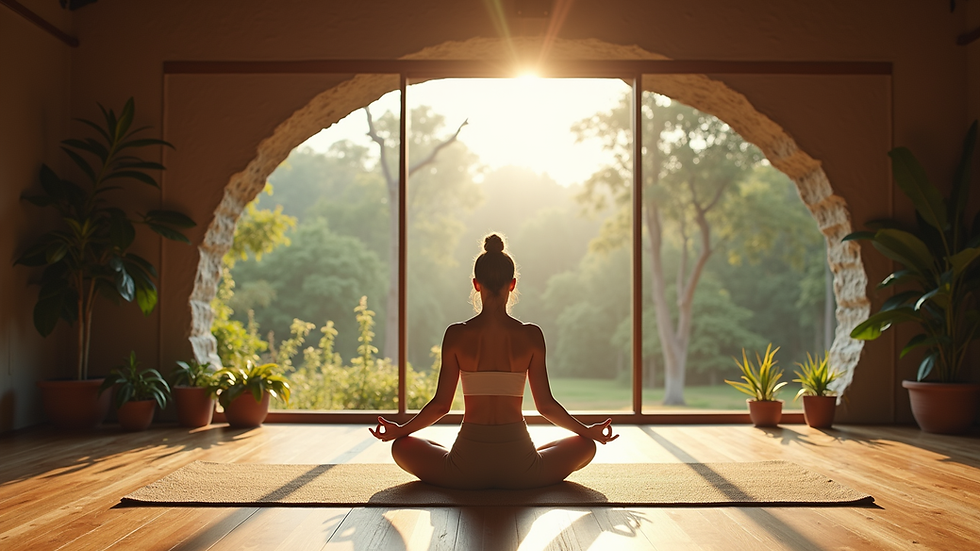
3. Create a Dedicated Space
Designate a specific area in your home for yoga practice. This space should be free from distractions and conducive to relaxation. Having a dedicated space can help reinforce your commitment to practice.
4. Join a Class or Community
Consider joining a local yoga class or an online community. Engaging with others can provide motivation and accountability, making it easier to maintain your practice.
Overcoming Common Obstacles
While yoga can be a powerful tool for finding steadiness, there may be obstacles to your practice. Here are some common challenges and how to overcome them:
1. Time Constraints
If you're short on time, remember that even a few minutes of yoga can be beneficial. Prioritize short sessions throughout the day rather than lengthy practices.
2. Physical Limitations
Yoga is adaptable to all body types and abilities. If you have physical limitations, seek out classes or resources that cater to your needs. There are many modifications available for various poses.
3. Lack of Motivation
If you find it challenging to stay motivated, try varying your routine. Experiment with different styles, locations, or times of day to keep your practice fresh and engaging.
The Long-Term Benefits of Yoga
Incorporating yoga into your life can lead to long-term benefits that extend beyond stress relief. Some of these benefits include:
Improved Flexibility and Strength: Regular practice can enhance your physical abilities.
Greater Self-Awareness: Yoga encourages introspection and self-discovery.
Enhanced Resilience: Developing a steady practice can help you navigate life's challenges with greater ease.
Final Thoughts
Finding steadiness in life's uncertainties is a journey that requires patience and commitment. Yoga offers a pathway to cultivate inner peace, resilience, and emotional well-being. By incorporating yoga into your daily routine, you can learn to navigate the ups and downs of life with grace and confidence.
As you embark on this journey, remember that every small step counts. Whether it's a few minutes of breathwork or a full yoga session, each practice brings you closer to a more balanced and steady life. Embrace the journey, and allow yoga to guide you through the uncertainties ahead.

Comments